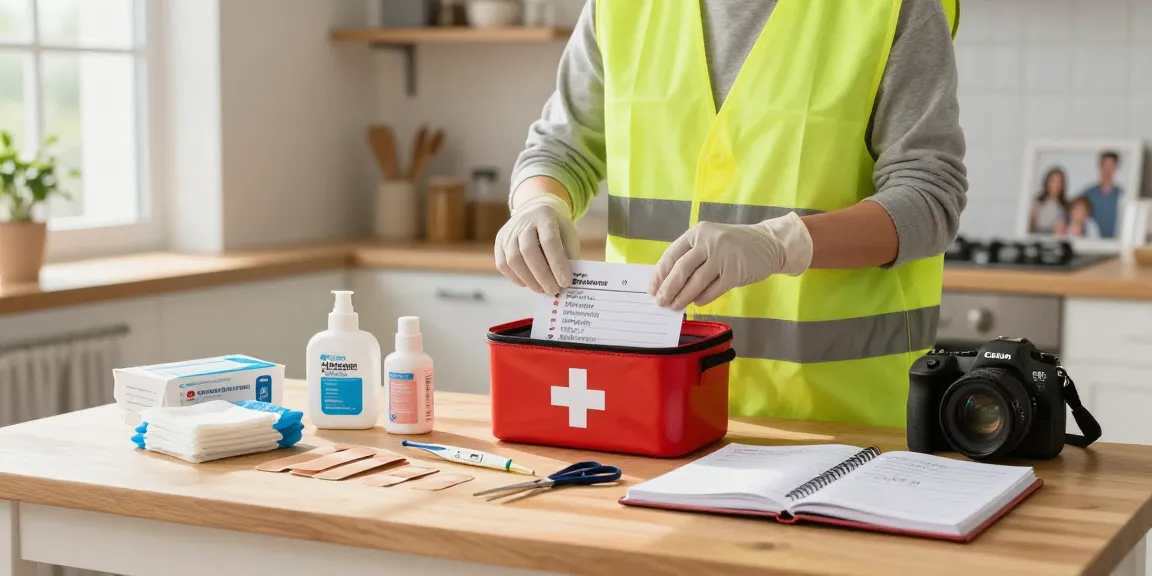
Understanding the Importance of a First Aid Box
A well-stocked first aid box is essential for every home, workplace, and vehicle. It serves as the first line of defense against minor injuries, helping to stabilize individuals until professional medical help can arrive. With the increasing rate of accidents and health emergencies, having a comprehensive first aid box items list becomes crucial in ensuring safety and preparedness. With a proper understanding of what to include and how to use these items, individuals can confidently address various medical situations that may arise.
What Should Be Included in Your First Aid Box Items List?
Your first aid box should contain a variety of items tailored to address common injuries and emergencies. Here’s a fundamental list of essentials:
- Adhesive bandages (various sizes)
- Gauze pads and adhesive tape
- Antiseptic wipes or spray
- Antibiotic ointment
- Sterile gloves
- Scissors and tweezers
- Pain relievers (e.g., ibuprofen, acetaminophen)
- Instant cold packs
- Thermometer
- Emergency blanket
This list can be adapted based on specific needs, such as for families with young children or individuals with chronic medical conditions.
The Role of First Aid in Home Safety
First aid is a critical component of any home safety plan. It ensures that quick and effective responses are possible during medical emergencies. Teaching family members how to use the first aid items properly can significantly mitigate the severity of injuries and enhance recovery times. Regular trainings and refreshers on first aid practices can empower everyone in the household to act swiftly and confidently during emergencies.
Common Misconceptions About First Aid Preparedness
Despite its importance, several misconceptions about first aid preparedness persist. One common myth is that first aid kits are only necessary for those living in high-risk environments. In reality, accidents can occur anywhere, making it essential for every household to be equipped. Another misconception is that first aid is solely about treating injuries; in fact, it also includes recognizing when professional medical help is necessary.
Critical First Aid Items and Their Uses
Essential Supplies for Common Injuries
Understanding the specific uses of first aid items can greatly enhance their effectiveness. For instance:
- Adhesive bandages: Ideal for covering small cuts and abrasions to keep out dirt and bacteria.
- Gauze pads: Used for larger wounds that require additional absorption.
- Antiseptic wipes: Essential for cleaning wounds before dressing to prevent infection.
Each item plays a vital role in the first line of treatment for various injuries, and being familiar with their functions is key to effective first aid.
Medical Devices to Consider for Your First Aid Box
In addition to basic supplies, certain medical devices can prove invaluable during emergencies:
- Blood glucose meter for diabetic emergencies.
- EpiPen for severe allergic reactions.
- CPR mask for safe rescue breathing.
Including these devices in your first aid box can prepare you for specific scenarios that may arise in your household or community.
How to Maintain and Update Your First Aid Box
Regular maintenance of your first aid box is essential to ensure its effectiveness. Here are key practices:
- Check expiration dates on all items and replace as needed.
- Restock items used after any injury or emergency.
- Periodically review your contents to ensure they meet the current needs of your household.
Establishing a routine inspection schedule can help keep your first aid supplies reliable and ready for use.
DIY First Aid Box vs. Store-Bought Kits
Benefits of Customizing Your First Aid Box Items List
Creating a DIY first aid box allows you to customize the contents based on your specific needs. You can include items that you know your family might need and eliminate those that are unnecessary. This personalization can lead to greater comfort and familiarity with the items in the box, making it easier to use them in emergencies.
What to Look for in a Quality Store-Bought Kit
When considering a pre-packaged first aid kit, evaluate the contents carefully. Look for:
- Number of items and their expiration dates
- Reputation of the manufacturer
- Inclusion of basic supplies and any specialized items for your needs
A quality kit should meet the requirements of the environment in which it will be used, whether at home, work, or during travel.
Cost Analysis: DIY vs. Pre-Packaged First Aid Kits
The cost of first aid supplies can vary significantly between DIY and store-bought options. While a DIY kit may allow for more economical choices, store-bought kits provide convenience with pre-assembled items. Assessing your budget and needs will guide your decision. Often, a combination of both—stocking a basic store-bought kit with additional personalized items—can be the most effective solution.
Real-Life Scenarios: When a First Aid Box Matters
Case Studies: Successful First Aid Responses
Numerous case studies highlight the importance of having an accessible first aid box. One account involved a family who managed a deep cut on a child’s finger using their first aid supplies while waiting for paramedics. The swift application of antiseptic and a bandage prevented further complications and reduced the child's anxiety during the wait.
Lessons Learned from Emergency Situations
Emergencies teach valuable lessons about preparedness. Regularly practicing scenarios, like a family member fainting or a child falling, can solidify how to best utilize your first aid items. Engaging in training sessions with local emergency services can also enhance preparedness.
Encouraging Community Preparedness Initiatives
Community programs that focus on first aid training and preparedness can significantly impact public health. Initiatives can include free first aid classes and the distribution of first aid kits during community events. Schools and local health organizations can work together to increase awareness and encourage proactive approaches to injury prevention.
Looking Forward: Trends in First Aid for 2026 and Beyond
Emerging Technologies in First Aid Supplies
Advancements in technology are shaping the future of first aid. New innovations include smart bandages that monitor healing and wearable devices that track vital signs. These technologies can provide real-time data for more effective emergency responses.
Healthcare Changes Influencing Emergency Preparedness
Changes in healthcare delivery due to telemedicine and mobile health applications are also impacting first aid. Increased access to medical professionals via technology can provide guidance in emergencies, making it easier for individuals to utilize their first aid supplies effectively.
Future Predictions for Personal Safety Equipment
As we look to the future, personal safety equipment is likely to become more advanced. There may be an increase in multi-functional devices that combine first aid items with technological features, such as alerts for medication and emergency contacts, enhancing safety in everyday situations.
What are the most important items to include in a first aid box?
Essential items for a first aid box include adhesive bandages, gauze pads, antiseptic wipes, and pain relievers. These items cater to common injuries and allow for immediate response.
How often should I check and update my first aid box?
It is advisable to check your first aid box every six months to ensure all items are accounted for, adequately stocked, and not expired. Regular updates allow for readiness in emergencies.
Are store-bought first aid kits sufficient for all emergencies?
While store-bought kits offer convenience, they may not cover all unique personal needs. Customizing a kit with specific items tailored to your household or individual requirements is often beneficial.
What is the best way to organize a first aid box?
Organizing a first aid box involves categorizing items by type (e.g., bandaging, antiseptics, medications) and labeling them for quick access. Utilizing clear containers can also help in visually identifying supplies.
How can I educate my family on using the first aid box?
Education about first aid can be conducted through family workshops, instructional videos, and practicing scenarios where first aid is required. Encouraging children to engage in these activities fosters a culture of safety and preparedness.