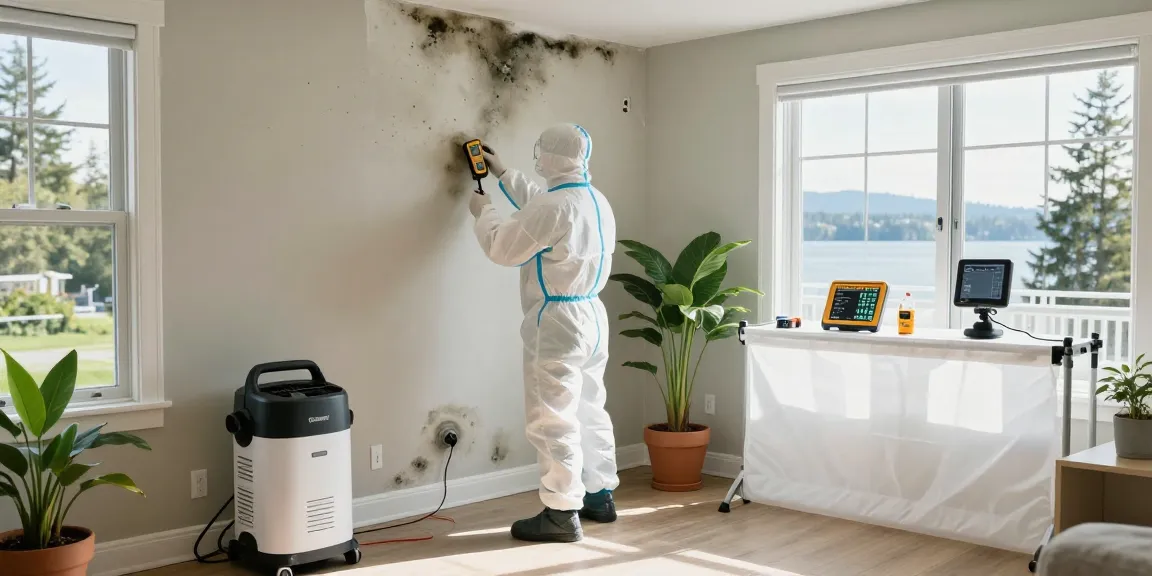
Understanding Mold Remediation in Vancouver
Mold is an unwelcome guest in many homes and buildings, particularly in regions with high humidity like Vancouver. Understanding mold remediation is essential for any homeowner facing potential mold problems. This comprehensive guide delves into mold remediation processes, why professional services are necessary, and how to prevent future mold infestation. When exploring options, Mold Remediation Vancouver provides comprehensive insights tailored to protect your property and health.
What is Mold Remediation?
Mold remediation is the systematic process of assessing and eliminating mold from a given area. This involves various steps, including identifying the source of moisture that allows mold to thrive, the removal of impacted materials, and the sanitization of surfaces to ensure that mold spores do not return. The goal is not merely to remove mold but to address its causes and restore a safe living environment.
Importance of Professional Mold Remediation
While some may consider DIY mold removal, hiring professionals for mold remediation is crucial. Experts possess the necessary training, tools, and experience to handle hazardous materials safely. They are well-versed in local building codes and regulations, ensuring compliance during the remediation process. Moreover, professionals can identify hidden mold sources that an untrained eye might miss, providing a thorough solution rather than a temporary fix.
Common Myths about Mold Removal
- All Mold is Dangerous: While some mold can cause health issues, not all molds pose a significant threat. However, it’s important to address all types of mold to prevent further complications.
- Bleach Kills Mold Instantly: Although bleach can remove visible mold, it does not eliminate spores and can sometimes worsen the problem by adding moisture.
- Once Removed, Mold Doesn’t Come Back: Without addressing moisture sources, mold can return. Continuous monitoring and preventive measures are necessary.
The Mold Remediation Process Explained
Initial Assessment and Inspection Steps
The remediation process begins with a thorough assessment. Professionals conduct visual inspections and often utilize tools like moisture meters and thermal imaging to detect hidden mold and moisture sources. This initial assessment establishes a detailed plan of action tailored to the specifics of the property and the extent of mold exposure.
Containment and Removal Techniques
To prevent the spread of mold spores, affected areas are contained using physical barriers or negative air pressure systems. Removal techniques vary depending on the materials involved; porous materials that cannot be cleaned might need to be removed entirely, while others can be salvaged and sanitized. HEPA filtration systems are employed to capture mold spores during and after the removal process, ensuring the air quality remains safe.
Post-Remediation Evaluation and Air Quality Testing
Once the remediation process is complete, a final evaluation is crucial. This includes air quality testing to ensure that mold spores are at safe levels. Some companies may offer warranties or guarantees for their work, providing additional assurance to homeowners that measures are in place to prevent recurrence.
Health Implications of Mold Exposure
Potential Health Risks from Mold
Mold exposure can lead to a variety of health issues, especially for individuals with respiratory conditions, allergies, or weakened immune systems. Symptoms may include coughing, sneezing, skin irritation, and more severe respiratory problems. Long-term exposure can lead to chronic health issues, making it imperative to handle mold growth swiftly and effectively.
Signs You Need Mold Remediation
- Visible Mold Growth: Often seen in damp areas such as bathrooms, kitchens, and basements.
- Musty Odors: A persistent, unpleasant smell can indicate hidden mold.
- Water Damage: Previous leaks or flooding can create the perfect environment for mold growth.
Addressing Mold Concerns in Homes
Homeowners should be proactive in addressing mold concerns. Regular inspections of areas prone to moisture—like attics, basements, and around plumbing fixtures—can help catch problems before they escalate. Implementing proper ventilation techniques in bathrooms and kitchens also plays a vital role in preventing excess humidity.
Cost Factors Influencing Mold Remediation in Vancouver
Average Costs for Mold Remediation Services
The cost of mold remediation in Vancouver can vary widely based on several factors, including the extent of the infestation, the materials involved, and the specific methods required. On average, homeowners can expect to pay between $500 to $6,000 for complete remediation services, with costs increasing for larger or more complex jobs.
Understanding Pricing Models in Vancouver
Pricing models may differ between companies, with some offering flat rates while others charge hourly. It’s advisable to obtain multiple estimates before proceeding with a service, ensuring a clear understanding of what is included in the quoted price. Look for transparency in pricing, particularly regarding any supplementary fees for specialized treatments or equipment.
Budgeting for Future Mold Prevention
Planning for mold prevention is just as important as remediation. Homeowners should consider budgeting for regular inspections, upgrades to moisture control systems, and necessary repairs to plumbing or roofing that could cause leaks. Investing in dehumidifiers and improved ventilation can significantly reduce future mold risks.
Preventing Future Mold Growth
Best Practices for Homeowners
- Regular Inspections: Schedule consistent inspections in high-risk areas.
- Maintain Moisture Levels: Keep indoor humidity between 30% and 50%.
- Proper Ventilation: Use exhaust fans in kitchens and bathrooms to reduce moisture.
Improving Indoor Air Quality
Improving indoor air quality can involve using air purifiers equipped with HEPA filters, ensuring regular maintenance on HVAC systems, and utilizing natural cleaning products. These measures contribute to a healthier home environment and reduce the likelihood of mold spore proliferation.
Long-Term Strategies for Moisture Control
Some effective long-term strategies include upgrading insulation in attics and basements, ensuring proper drainage away from the foundation, and routinely checking for signs of leaks in roofs and plumbing. Taking steps to address moisture before it becomes a problem is essential for sustained mold prevention.
What are the signs of mold in my home?
Common signs of mold include visible growth, musty odors, and health-related symptoms in occupants such as allergy flare-ups or respiratory issues. Identifying these signs early can prevent more extensive damage.
How long does mold remediation usually take?
The duration of mold remediation varies depending on the scope of the work. Generally, minor mold issues can be resolved in a day or two, while more extensive infestations might take a week or longer.
Can I stay in my home during mold remediation?
Whether you can remain in your home during remediation depends on the extent of the mold and work needed. In many cases, especially with minor infestations, homeowners can stay; however, severe mold issues may require temporary relocation for safety.
What is the difference between mold removal and remediation?
Mold removal typically refers to the physical act of extracting mold, while remediation encompasses a holistic approach that includes preventing future growth by addressing underlying moisture issues.
How can I prevent mold from returning?
Preventing mold from returning involves consistent moisture management, regular inspections, and addressing any leaks or dampness immediately. Ensuring proper airflow and ventilation in areas prone to humidity is also vital.