Understanding Veterans For Healing Programs
Veterans For Healing is a dedicated initiative focused on providing essential support, guidance, and respect to Canadian veterans and their families. These programs are designed to help those who have served their country thrive beyond their military service. Engaging with support networks is vital for veterans as they transition back into civilian life and face various challenges, including mental health issues and social reintegration. For comprehensive insights into these programs, Veterans For Healing equips veterans with resources and services tailored to their needs.
What are Veterans For Healing services?
The services provided by Veterans For Healing encompass a range of holistic approaches aimed at addressing both the psychological and physical challenges faced by veterans. These services include:
- Individual Counseling: Personalized therapy sessions that empower veterans to work through emotional and psychological obstacles.
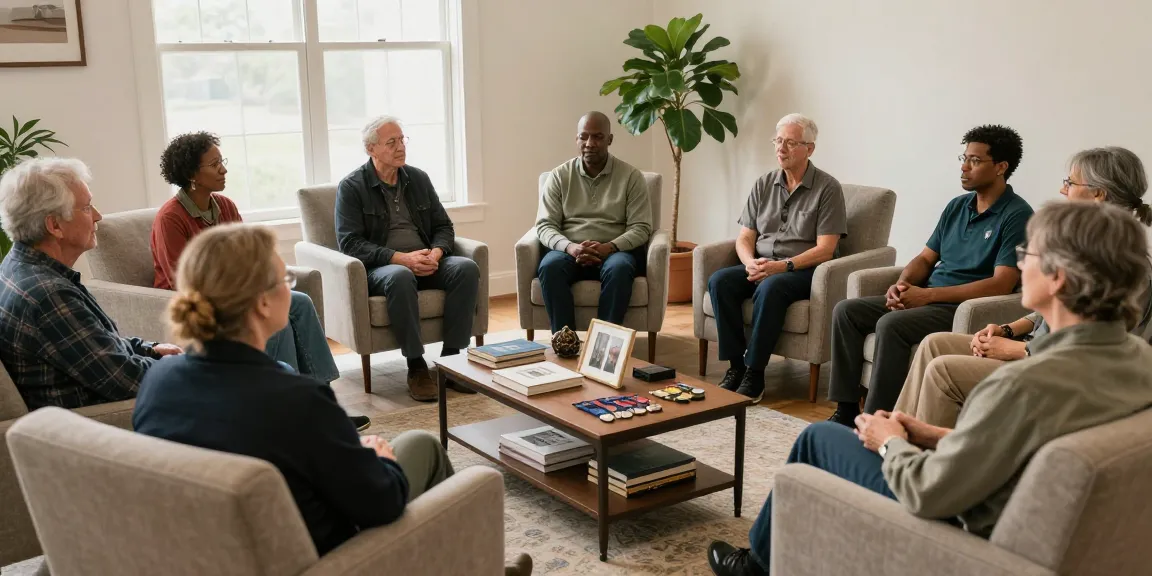
- Group Therapy: Support groups that foster community connection and shared experiences among veterans.
- Family Support: Resources and counseling aimed at assisting veterans' families in understanding and coping with the unique challenges faced by their loved ones.
- Workshops and Training: Skill-building workshops that help veterans re-enter the workforce and improve their employability.
Benefits of holistic support for veterans
Holistic support integrates various treatment modalities that address the whole person, rather than merely the symptoms of mental health issues. Benefits include:
- Comprehensive Healing: By addressing physical, emotional, and social aspects of health, veterans are better equipped to heal.
- Peer Support: Connecting with others who share similar experiences creates a supportive community, reducing feelings of isolation.
- Increased Resilience: Holistic practices encourage veterans to develop coping strategies, enhancing their ability to face life's challenges.
- Empowerment: Engaging in various aspects of care gives veterans a sense of control over their healing journey.
How these programs navigate VA benefits
Navigating Veteran Affairs Canada (VAC) benefits can be complex. Veterans For Healing provides vital assistance in this area through:
- Guidance and Education: Offering information on the range of benefits available to veterans and their families.
- Assistance with Applications: Helping veterans fill out necessary paperwork and understand eligibility criteria.
- Follow-Up Support: Continuously checking in with veterans to ensure they receive the support needed through VAC.
Challenges Faced by Veterans
Despite the comprehensive services available to veterans, significant challenges remain that can hinder their access to support and care.
Common mental health issues among veterans
Many veterans grapple with mental health issues stemming from their service, including:
- Post-Traumatic Stress Disorder (PTSD): A common reaction to traumatic events experienced during service.
- Depression: Feelings of sadness or hopelessness that can severely affect day-to-day functioning.
- Anxiety Disorders: Conditions characterized by excessive worry, fear, or panic attacks.
- Substance Use Disorders: Some veterans turn to alcohol or drugs as a coping mechanism for their pain.
Barriers to accessing support services
Barriers can prevent veterans from seeking or receiving the help they need. These include:
- Stigma: Mental health stigma may deter veterans from pursuing treatment due to fear of judgment.
- Lack of Awareness: Many veterans are unaware of the resources available to them for assistance.
- Geographical Isolation: Veterans in rural areas may have limited access to services.
- Administrative Hurdles: Complicated processes for accessing benefits can be frustrating and time-consuming.
Misconceptions about veterans' mental health
Addressing misconceptions is crucial for supporting veterans effectively. Common myths include:
- All veterans suffer from PTSD: While many do experience PTSD, not every veteran faces this issue.
- Seeking help is a sign of weakness: In reality, reaching out for support demonstrates strength and resilience.
- Veterans are solely responsible for their recovery: Recovery is often a community effort, and support from family and peers is essential.
Effective Healing Strategies
Implementing effective healing strategies can significantly improve the mental well-being of veterans.
Integrating therapy and community support
By blending professional therapy with community engagement, veterans can benefit from a seamless support network. Strategies include:
- Peer Support Programs: Facilitating connections among veterans who can share experiences and coping strategies.
- Community Events: Organizing social gatherings or workshops that enhance community bonds and reduce isolation.
- Collaborative Therapy: Partnering veterans with mental health professionals who understand military culture and can provide tailored care.
Best practices for mental wellness
Promoting mental wellness requires a proactive and informed approach. Best practices include:
- Mindfulness and Meditation: Techniques that can help veterans manage stress and anxiety effectively.
- Physical Activity: Regular exercise has been shown to reduce symptoms of anxiety and depression.
- Healthy Lifestyle Choices: Encouraging a balanced diet and sufficient sleep to support overall well-being.
Case studies showcasing successful transformations
Highlighting successful transformations can inspire hope among veterans. For example:
- Case Study 1: A veteran suffering from severe PTSD shares how participating in group therapy enabled them to rebuild connections with others and find new coping mechanisms.
- Case Study 2: Another veteran, through a combination of counseling and community events, reports significant improvements in their mental health and overall quality of life.
Measuring Success in Healing Programs
Effectiveness in healing programs is crucial for ensuring veterans receive high-quality care. Measuring success can include various performance indicators.
Key performance indicators for veterans' programs
Evaluating the success of veterans' programs might involve tracking:
- Client Satisfaction Surveys: Gaining feedback from veterans regarding their experiences and outcomes.
- Rate of Recidivism: Monitoring how many veterans return for additional services or support.
- Employment Rates: Assessing the percentage of veterans successfully re-entering the workforce post-treatment.
Feedback mechanisms to improve services
Implementing effective feedback channels can help adapt services to better meet veterans' needs. This can include:
- Regular Surveys: Conducting surveys to gather insights on services provided and areas for improvement.
- Focus Groups: Engaging veterans in discussions about their experiences to gain qualitative feedback.
Real-world success stories of veterans
Sharing success stories from veterans can uplift and motivate others who seek support. Such stories often highlight the importance of community, perseverance, and the impact of comprehensive care.
Future Developments in Veteran Support
As the landscape of veteran support continues to evolve, several trends are expected to shape the future of healing initiatives.
Trends shaping veteran healing initiatives in 2026
Key trends likely to influence veterans' care include:
- Increased Focus on Mental Health: Mental health will remain a priority, with more resources allocated for innovative programs.
- Integration of Technology: Telehealth services are becoming commonplace, allowing veterans to connect with providers remotely.
- Community-Based Approaches: Emphasizing localized support to create a stronger, more connected veteran community.
Technological advancements in therapy
Technological innovations, such as virtual reality therapy, are being explored to treat conditions like PTSD, providing immersive experiences that help veterans confront and manage their trauma in a safe environment.
Community engagement and new outreach strategies
Future outreach strategies may involve greater community collaboration, leveraging local resources to better meet the needs of veterans, including partnerships with nonprofits, local businesses, and healthcare providers.