Understanding the Role of a Commercial Steel Company
In the bustling construction industry, the role of a commercial steel company is pivotal. These companies serve as the backbone for both large-scale and small-scale construction projects, providing essential steel fabrication and structural solutions tailored to various needs. From residential buildings to expansive commercial complexes, the demand for high-quality steel and metalwork is ever-growing. As we delve into the nuances of commercial steel companies, we will explore their core services, specialization areas, and the critical safety and quality standards that define their operations.
What Services Does a Commercial Steel Company Offer?
Commercial steel companies provide a diverse range of services that cater to the unique needs of various construction projects. These services typically include:
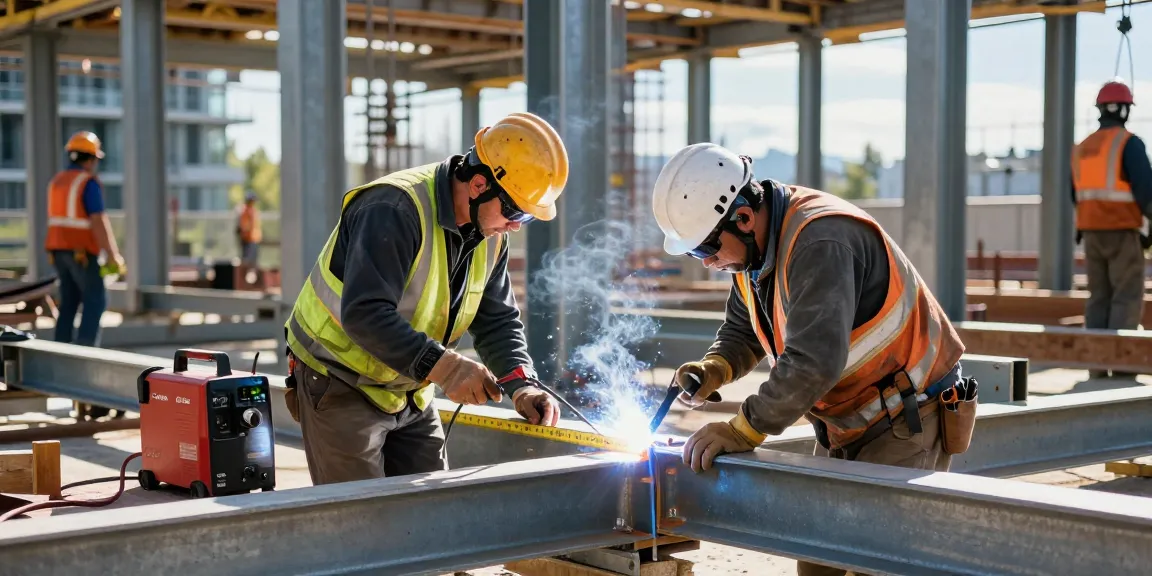
- Steel Structure Fabrication: Creating custom steel frameworks for buildings.
- Custom Metalwork: Designing and fabricating unique metal pieces, including railings and staircases.
- Architectural Steel Design: Blending aesthetics with functionality in steel structures.
- Installation Services: Ensuring that fabricated steel structures are installed correctly and safely.
- Consultation Services: Providing expert advice on material selection and project design.
Each of these services is tailored to meet specific project requirements, ensuring that clients receive a comprehensive solution to their steel and metalwork needs.
Key Areas of Specialization in Steel Fabrication
Within the realm of steel fabrication, companies often specialize in various areas to enhance their service offerings. Some key specializations include:
- Structural Steel: Focused on fabricating steel for load-bearing components in construction.
- Light Gauge Steel: Used for smaller structures or interior framing.
- Heavy Plate Fabrication: Involves thicker steel plates used in significant infrastructure projects.
- Custom Fabrication: Tailoring specific designs to meet client aesthetics and functionality.
This specialization allows commercial steel companies to cater to distinct market segments, ensuring that they can meet the specific needs of their clients effectively.
The Importance of Quality and Safety Standards
Quality and safety standards are paramount in the steel fabrication industry. Adhering to these standards not only ensures the longevity and durability of the structures but also guarantees the safety of the end-users. Commercial steel companies must comply with local and international building codes, which dictate the specifications for materials and construction practices. Regular safety audits and inspections are also critical in maintaining compliance and ensuring worker safety.
Choosing the Right Commercial Steel Company
Finding the right commercial steel company is essential for the success of any construction project. Several factors should be considered when making this important decision.
Factors to Consider When Selecting a Steel Fabrication Partner
When selecting a partner for steel fabrication, consider factors such as:
- Experience: Companies with a proven track record in the industry often have the necessary expertise to handle complex projects.
- Portfolio: Reviewing past projects provides insights into a company's capabilities and design aesthetics.
- Client Recommendations: Positive testimonials from previous clients can indicate reliability and quality of service.
- Cost Estimates: Ensure that the pricing is transparent and fits within your project budget.
Evaluating Experience and Portfolio
One of the most critical factors in choosing a commercial steel company is evaluating their experience and portfolio. A company with extensive experience is likely to have encountered various challenges and developed effective solutions. Reviewing their portfolio allows potential clients to assess the quality and diversity of their past projects, ensuring that the company can meet your design and technical requirements.
Client Testimonials and Reviews
Reading client testimonials and reviews can provide invaluable insights into a company's reliability and service quality. Look for feedback that speaks to the company's communication, professionalism, and final product quality. Positive reviews often indicate a commitment to customer satisfaction, which is essential for a successful collaboration.
Innovations in Steel Fabrication Techniques
The steel fabrication industry is continuously evolving, with new technologies and methods emerging to improve efficiency and quality. Staying abreast of these innovations is crucial for both steel companies and clients.
Advanced Technologies Shaping the Industry
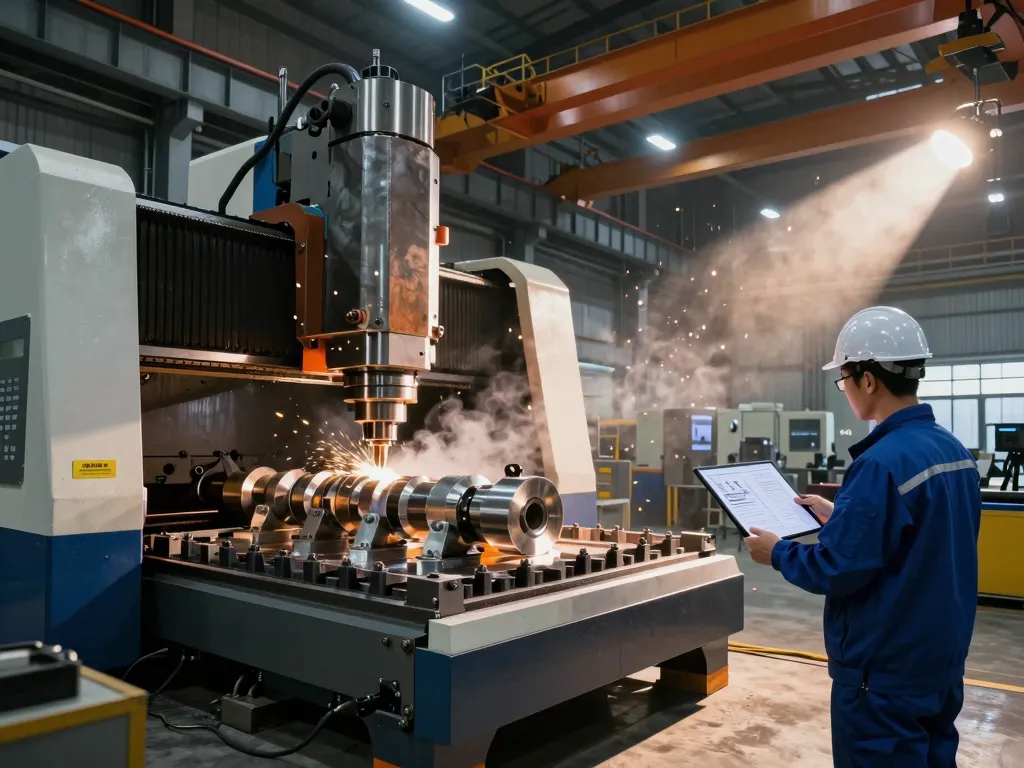
Recent advancements in technology have significantly impacted steel fabrication. Technologies such as 3D printing, CNC machining, and robotic welding have streamlined the fabrication process, allowing for higher precision and faster turnaround times. These technologies not only reduce labor costs but also enhance the accuracy of the fabricated components, leading to better overall project outcomes.
How Sustainability is Influencing Steel Production
With a growing emphasis on sustainability, steel companies are adopting eco-friendly practices in their operations. This includes recycling steel scrap, minimizing waste, and using energy-efficient manufacturing processes. Clients are increasingly seeking sustainable options, making it imperative for commercial steel companies to innovate continually and meet these evolving demands.
Emerging Trends for Commercial Steel in 2026 and Beyond
As we look towards 2026, several trends are shaping the commercial steel industry:
- Increased Use of Recycled Materials: A push towards sustainability will see more companies using recycled steel in their products.
- Smart Manufacturing: The integration of IoT and AI in manufacturing processes will enhance efficiency and predictive maintenance.
- Customizable Steel Solutions: Clients will increasingly demand bespoke solutions that cater to specific project needs, driving innovation in design and manufacturing.
Common Challenges Faced by Commercial Steel Companies
Despite the advancements and opportunities in the steel fabrication industry, several challenges persist that can impact project delivery and outcomes.
Supply Chain Issues and Material Sourcing
Supply chain disruptions have become more common in recent years, often resulting in delays and increased costs for material sourcing. Commercial steel companies must develop robust relationships with suppliers and consider alternative sourcing strategies to mitigate these risks.
Adapting to Regulatory Changes
The steel industry is subject to a myriad of regulations that can change based on government policy and environmental concerns. Staying compliant with evolving regulations requires ongoing education and adjustments to practices, which can be resource-intensive for companies.
Maintaining Quality Amidst High Demand
As demand for steel fabrication rises, maintaining high-quality standards can become a challenge. Companies must implement rigorous quality control processes to ensure that every project meets the necessary specifications and expectations.
Maximizing Your Project's Success with a Commercial Steel Company
To ensure a successful collaboration and project completion, it is essential to establish effective communication and best practices with your commercial steel company.
Best Practices for Collaboration and Communication
Effective communication is key to a successful partnership. Set clear expectations from the outset, and maintain open lines of communication throughout the project. Regular updates and meetings can help ensure that all parties are aligned and any potential issues are addressed promptly.
Measuring Success: Key Performance Indicators
Establishing Key Performance Indicators (KPIs) can help measure the success of your project. Consider metrics such as:
- Project timelines and adherence to schedules
- Budget compliance and cost management
- Quality of the final product
- Client satisfaction and feedback
Future-Proofing Your Steel Projects
As the construction landscape evolves, it is essential to future-proof your projects by considering long-term durability and adaptability. This includes selecting high-quality materials, designing for flexibility, and incorporating sustainable practices to ensure longevity and relevance in the years to come.
What are Custom Metalworks offered by Commercial Steel Companies?
Custom metalworks encompass various products tailored to meet specific client requirements, including:
- Decorative metal railings and gates
- Custom fabrication of structural components
- Bespoke furniture designs
- Unique architectural features and accents
These custom solutions allow for a blend of aesthetics and functionality, enhancing the overall design and usability of a space.
How can I ensure the longevity of my steel structures?
To ensure the longevity of steel structures, consider the following:
- Regular maintenance and inspections
- Using high-quality coatings to prevent corrosion
- Implementing proper drainage systems to avoid water accumulation
By prioritizing these factors, you can significantly extend the lifespan of your steel structures.
What to look for in an estimate from a steel company?
When requesting estimates, ensure that they include clear details on:
- Scope of work and included services
- Cost breakdown (materials, labor, etc.)
- Delivery timelines and project milestones
- Warranty and post-installation support
A comprehensive estimate helps set clear expectations and prevent misunderstandings down the line.
What are the key benefits of custom metal fabrications?
Custom metal fabrications offer numerous advantages, including:
- Tailored solutions that cater to specific design and functional requirements
- Enhanced aesthetics that contribute to the overall style of a project
- Improved functionality through innovative design
These benefits make custom metal fabrications an attractive option for many construction projects.
What emerging technologies should I consider in steel fabrication?
Some of the emerging technologies worth considering include:
- Automation: Increasing efficiency and precision through automation in production processes.
- Digital Twins: Creating virtual models of physical assets for analysis and performance monitoring.
- Robotics: Utilizing robotics for welding and fabrication to improve precision and reduce labor-related issues.
Integrating these technologies can enhance productivity and quality, positioning your project for success in the competitive steel fabrication landscape.